
 Huisly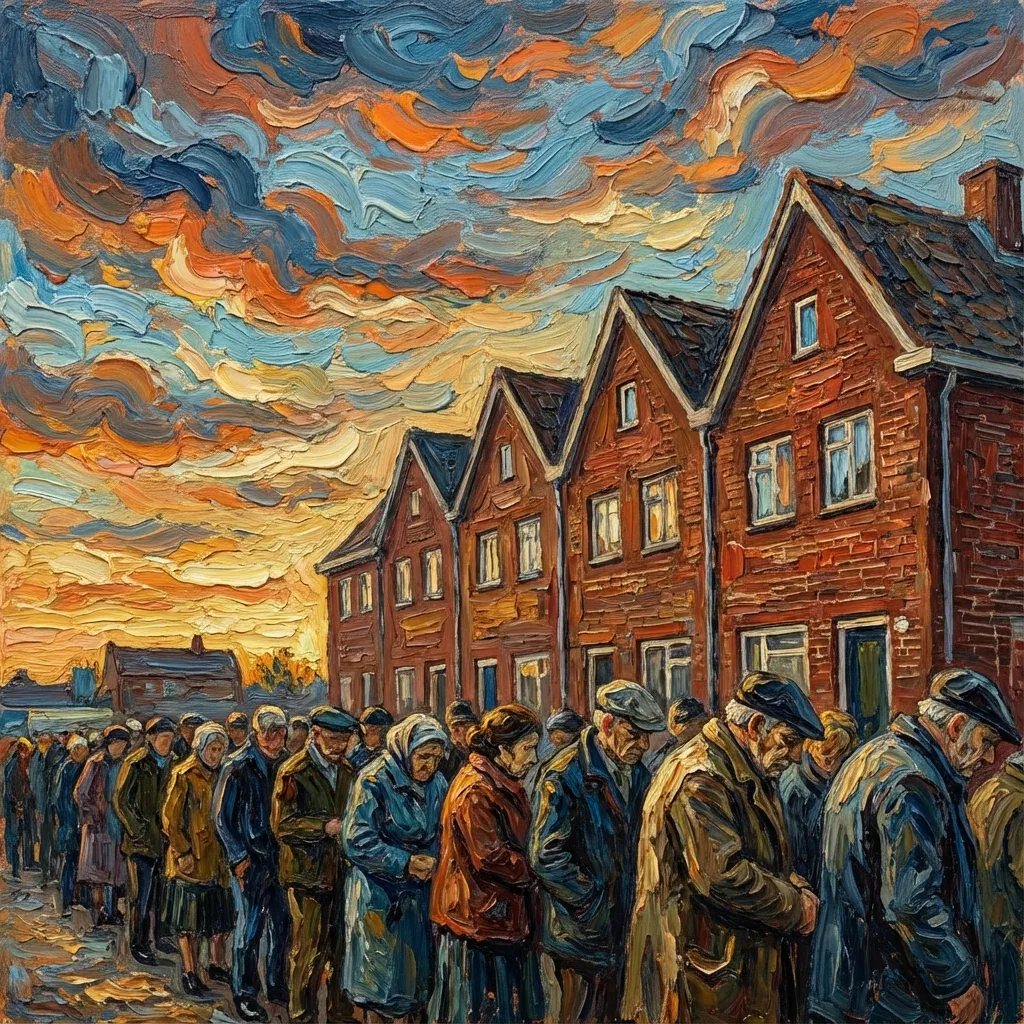
What to Do While Waiting for Dutch Social Housing
A practical plan for people waiting for Dutch social housing: protect registration, understand allocation, check urgency rules, compare middle-rent and private options, and avoid unsafe shortcuts.

Social-housing registration can be valuable even when it does not solve today's housing problem. The mistake is treating a regional queue as a countdown with a guaranteed end date. Dutch allocation systems differ: some rely heavily on registration or search time, some use lotteries, some apply local or household priority, and some combine several models.
Keep the registration if it remains relevant, but build a parallel housing plan. This guide explains how to protect accumulated rights, interpret the portal, investigate urgency without false expectations, and compare alternatives safely.
Learn How Your Regional System Allocates Homes
Read the portal's current rules and identify:
- registration or subscription renewal requirements;
- whether time, points, reactions, lottery, or priority determine ranking;
- which municipalities and housing associations participate;
- income, household, age, accessibility, and occupancy criteria;
- local or economic binding requirements;
- consequences of refusing or accepting an offer;
- how a move, relationship, household change, or income change affects the profile;
- whether registrations can be transferred, restored, or combined.
Do not copy a waiting-time figure from another city. Even within one region, a popular family home and a lottery studio can produce very different outcomes.
Protect the Registration You Have
Set calendar reminders for payment, renewal, profile checks, and document expiry. Keep proof of registration and payments. Update household, address, income, accessibility, and contact details promptly.
Review the email and notification settings. A missed offer or deadline may have consequences under local rules. Be cautious with messages asking you to pay through an unfamiliar link; navigate to the portal directly.
Use Portal Data Properly
When the portal publishes historical ranking or response data, treat it as evidence about past allocations, not a promise. Compare homes with similar size, location, label, floor, accessibility, and household rules. Note whether the result came from time-based allocation or lottery.
Track your own responses. If every choice has extremely high historic demand, widen the search to homes and places that still fit your life. Do not respond randomly if refusals or no-shows affect the account.
Understand Income and Household Rules
Housing associations apply current statutory allocation rules and their own published criteria. Thresholds are indexed and can differ by household and property. A one-euro change does not necessarily produce the simplistic outcome described in old articles; the relevant rule, exceptions, and evidence need checking for that offer.
Use the provider's current listing and policy. If income is variable, household composition is changing, or residence status is complex, ask which evidence and assessment year apply.
Investigate Urgency Locally
An urgency declaration is not one national product. Municipal or regional regulations define qualifying emergencies, responsibility tests, evidence, exclusions, search area, and the housing solution offered.
Possible categories may involve safety, medical, social, or displacement circumstances, but a category name does not guarantee approval. Relationship breakdown, contract expiry, overcrowding, pregnancy, high private rent, or general homelessness can be treated differently by each system.
Before applying:
- read the current local regulation and guidance;
- use the official preliminary assessment if available;
- ask which evidence is required;
- understand the search area and type of offer;
- obtain support for domestic violence, health, homelessness, or legal risk;
- do not pay a commercial party that promises approval.
If there is immediate danger, contact emergency or specialist services rather than waiting for a housing allocation process.
Check Regulated Middle-Rent Options
Middle-rent homes can be relevant for households above some social-housing criteria but unable or unwilling to pay higher private rents. The starting rent, WWS points, contract date, and indexed rules determine the regulated position.
Providers may use income ranges, local priority, employer links, household size, lotteries, or project registrations. Search municipal, housing-association, developer, and institutional-provider channels and read each allocation method.
Do not assume every “middle rent” marketing label proves legal classification. Check the proposed basic rent, points information, contract, and current Huurcommissie guidance.
Build a Controlled Private-Market Search
The private market can offer a different timeline but adds cost and provider-specific screening. Define a maximum total monthly cost and include service charges, utilities, deposit, travel, and furnishing.
Huisly helps search current rental listings, compare available property context and source links, use list or viewport map, bookmark active listings, and create mobile alerts. Free supports one alert with one location. Premium supports up to three alerts with up to ten locations each and instant high-priority notifications after detection.
Huisly does not guarantee complete coverage, delivery, affordability, or selection. Verify the original provider, viewing, costs, registration, and contract.
Consider Sharing Only Where It Is Permitted
Sharing can reduce individual cost, but landlord consent and municipal occupancy, conversion, fire-safety, and registration rules matter. A large home is not automatically lawful for any number of unrelated adults.
Confirm in writing:
- every intended occupant;
- whether each person signs and can register;
- how rent, deposit, service costs, and liability are divided;
- what happens when one person leaves;
- whether the address needs a permit.
Avoid informal sublets where the person offering the room cannot show authority.
Understand Temporary and Anti-Squat Arrangements
Guardianship or anti-squat occupation is not ordinary residential tenancy. Fees and spaces vary, and notice or protection can be limited. It can suit only someone who understands and can absorb a rapid move.
Before accepting, read the legal form, notice, access rights, house rules, registration position, insurance, fees, and alternative-housing expectations. Do not treat an unusually low advertised amount as the full cost or a long-term solution.
Short-stay and furnished contracts also need scrutiny. Confirm the legal basis, total cost, registration, end date, inventory, and cancellation terms.
Expand by Real Travel Time
Compare nearby towns and different districts using door-to-door journeys at relevant times. Include transfers, evening service, bicycle storage, and parking. A place farther away may be practical; a place on the map nearby may not be.
Do not assume a wider radius automatically means short social-housing waits or lower private prices. Use current regional portal data and live listings.
Get Help Before a Crisis Becomes Immediate
If your current housing is unsafe, unaffordable, ending, or legally disputed, seek help early. Depending on the issue, that may include the municipality, housing association, social-work team, tenant support, debt assistance, domestic-violence service, Juridisch Loket, or a qualified adviser.
Keep notices, contracts, payment records, medical or support evidence, and correspondence. Accurate records help any organisation assess what it can do.
Run Two Plans at Once
Maintain the long-term social-housing route while taking realistic short-term action:
- registration and profile remain current;
- regional allocation method is understood;
- responses are targeted and recorded;
- urgency has been checked under local rules where relevant;
- middle-rent projects and lotteries are monitored;
- private-market total cost remains affordable;
- sharing or temporary options are legally and practically checked;
- documents are ready but shared minimally;
- no payment happens before provider and contract verification.
Social housing remains an important protected sector, but registration is not a guarantee of a home by a chosen date. Keeping that option alive while building a safe parallel search gives you more control without sacrificing accumulated eligibility.
Put this guide into practice
Use Huisly after reading “What to Do While Waiting for Dutch Social Housing”
Use one search flow to build a focused shortlist, compare the available original sources, and keep important checks with the provider before you apply.
1,400+ providers in one search
Huisly crawls more than 1,400 property providers every minute. Search their current homes by location, price, property type, size, rooms, furnishing, energy label, construction year, and supported listing criteria.
List when you know where, map when you explore
Choose one location for a focused list or search the visible map area when streets and neighbourhoods matter more than city limits.
Property context and original sources
Review permanent property information, listing history, and the active sources available through Huisly before continuing on the provider's website.
Start free, upgrade for speed
Free includes 1 alert for 1 location. Premium supports 3 alerts, up to 10 locations per alert, and instant high-priority mobile notifications.
Related articles

How Dutch Social Housing Works and Why Access Takes Time
Understand Dutch social housing, regional allocation, registration time, lotteries, income and household rules, urgency, middle rent, and parallel search options.
 Daan de Vries
Moving to the Netherlands: A Practical 2026 Relocation Checklist
Plan a move to the Netherlands in the right order: immigration, housing, BRP or RNI registration, insurance, banking, DigiD, utilities, and first-week checks.
Lotte Bakker